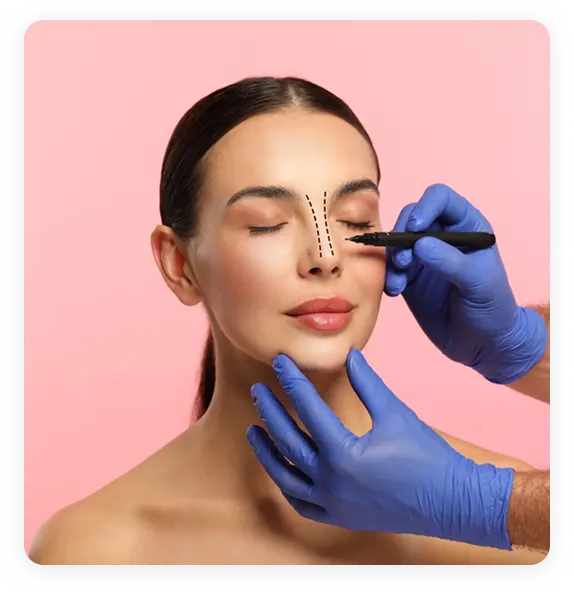
Rhinoplasty In Turkey

Every year, thousands of international patients board flights to Istanbul, Izmir, and Ankara for one reason, which is a nose job that appears natural, priced at a fraction of Western costs, and is done by an experienced surgeon with genuine international training.

Rhinoplasty in Turkey is the surgical procedure that not only reshapes the look of your nose but also boosts your confidence level.

This method is becoming Turkey’s signature aesthetic method, sitting alongside hair transplantation as one of the pillars of the country’s booming medical tourism industry. This article helps you cover every detail about the procedure from your first

What Is Rhinoplasty

Rhinoplasty or Nose Reshaping is an invasive procedure that changes the size, shape, or proportions of the nose. It functions on two structural layers.

The upper third is composed of the nasal bone.
The lower ⅔, made of cartilage which includes the septum, the upper lateral cartilages, and the lower lateral (altar) cartilages that shape the tip.

As we understand, the nose sits at the centre of our faces; even a minor change of a few millimetres can noticeably shift facial balance, which is the reason rhinoplasty is becoming one of the most technically demanding procedures broadly in plastic surgery.

Two main objectives are generally tailored, often in the same operation:

Mostly the Turkish clinics perform both simultaneously, so a patient leaves with both a refine looks and enhanced nasal airflow

Decreasing a dorsal hump, refining a bulbous or drooping tip, narrowing the nostrils (alar base reduction), and straightening asymmetry or transformation of the nose’s length and projection.

Decreasing a dorsal hump, refining a bulbous or drooping tip, narrowing the nostrils (alar base reduction), and straightening asymmetry or transformation of the nose’s length and projection.

Why Do Most Patients

Choose Turkey For Rhinoplasty

Turkey’s dominance in cosmetic nasal surgery is not just a marketing invention – it is backed by measurable industrial data:

Choose Turkey For Rhinoplasty

Turkey’s dominance in cosmetic nasal surgery is not just a marketing invention – it is backed by measurable industrial data:

Millions of International Patients Choose Turkey

The country welcomed approximately 1.3 to 2 million international medical travelers in a recent 12-month period, according to the Turkish Ministry of Health.

High Standards of Quality & Patient Safety

Turkey has becoming more than 40 Joint Commission International (JCI)-accredited hospitals, and each international patient case is registered through the government’s official health tourism system.

Cost Advantage of Rhinoplasty in Turkey

The country welcomed approximately 1.3 to 2 million international medical travelers in a recent 12-month period, according to the Turkish Ministry of Health.

Istanbul: Easily Accessible from 100+ Countries

Istanbul’s strategic location places it within an estimatedly a 4 hour flight of more than 100 countries, making it highly accessible for patients from Europe, the Middle East, and North Africa.

What are the Medical &

Cosmetic Reasons for Nasal Surgery

Many people need nasal surgery to improve breathing, treat structural abnormalities, repair injuries, or handle severe medical and some aesthetic concerns that influence the nose and sinuses. Here are some of the most common causes:

Nasal Surgery Reasons
Medical reasons for nasal surgery include:
Cosmetic reasons for nasal surgery involve:
Fixing a deviated septum to enhance breathing.
Restructuring the nasal bridge (eliminating a hump or smoothing the profile).
Treating severe sinus infections that do not respond to supplementation.
Refining the nose tip (making it smaller, lifted, or more defined).
Eliminating nasal polyps blocking the airways.
Adjusting the size or width of the nose.
Repairing broken or injured nasal bones after trauma.
Correcting nostril size or asymmetry.
Rectifying nasal valve collapse or enlarged turbinates causing obstruction.
Revising the outcomes of a previous nose job.
Treating congenital nasal defects or eliminating nasal tumors.
Enhancing overall facial harmony and balance.

Types and Techniques of

Rhinoplasty Used in Turkey

Turkish best rhinoplasty surgeons generally offer the entire spectrum of advanced techniques. Knowing this support you have a more detailed consultation.

Open Rhinoplasty

All cuts are composed inside the nostrils, so there is no external scarring. It is generally associated with minimal swelling and shorter noticeable healing, and is preferred for moderate reshaping.

Closed Rhinoplasty

A tiny incision is made across the columella (the strip of tissue between the nostrils), permitting the surgeon to lift the skin and notice the whole nasal framework directly. This strategy is generally preferred for complicated cases and revision surgery, where accuracy and direct visualization matter more than the small, well-camouflaged scar it leaves.

Preservation Rhinoplasty

A less is more philosophy that has gained potential popularity in Turkey over the past few years. Expect removing bony hump outright, the surgeon “lowers or lets down” the existing dorsal structure, preserving more of the individual’s original anatomy. The outcomes are often described as a smoother, more naturally sculpted bridge that prevents the tell-tale “operated” look connected with older removal procedures.

Ultrasonic (PIEZO) Rhinoplasty

Instead of the standard hammer-and-chisel strategy for recontouring bone, Piezo (Ultrasonic) technology uses managed ultrasonic vibrations to contour the nasal bones with accuracy. It addresses bone selectivity without disturbing surrounding soft tissue and blood vessels. These individuals generally experience minimal bruising, less swelling, and rapid, noticeable healing.

Ethnic Rhinoplasty

A specialized strategy for individuals of African, Asian, Middle Eastern, or Hispanic descent. The focus is on the structural support and harmony with the patient’s existing facial features rather than aggressive removal. This respects ethnic nasal characteristics instead of imposing a single cosmetic template.

Revision Rhinoplasty

For individuals unhappy with or experiencing complications from a past nasal surgery performed elsewhere. Istanbul in particular has created a reputation as a hub for complex revision cases, involving restructures that need rib cartilage grafts when the septum has already been depleted in an earlier surgery.

Tip Rhinoplasty and Septoplasty

Tip Rhinoplasty:
This type emphasizes solely recontouring the cartilage that defines the nasal tip, without touching the bony bridge.

Septoplasty:
It straightens the nasal septum purely to boost breathing and is frequently combined with aesthetic work as a sept rhinoplasty.

Who is a Good Candidate

Reputable surgeons apply persistent imaging criteria before agreeing to operate:

Completed Facial Bone Growth:

Generally, age 18 for males and around 17 for females, since the nose must have finished developing (younger individuals might qualify only if a functional breathing issue is present).

Generally, age 18 for males and around 17 for females, since the nose must have finished developing (younger individuals might qualify only if a functional breathing issue is present).

Generally, age 18 for males and around 17 for females, since the nose must have finished developing (younger individuals might qualify only if a functional breathing issue is present).

Generally, age 18 for males and around 17 for females, since the nose must have finished developing (younger individuals might qualify only if a functional breathing issue is present).

Generally, age 18 for males and around 17 for females, since the nose must have finished developing (younger individuals might qualify only if a functional breathing issue is present).

Schedule a consultation with our expert surgeon to describe your concerns, objectives, and treatment choices. During the visit, you will receive a thorough nasal examination, a customized surgical procedure, and clear instructions on the expected results, recovery process, and prices to help you make an informed decision.

Before Your Surgery

A Preparation Checklist

Most complications are decreased not in the operating room, but in the weeks beforehand. The expert surgeons across Turkey, the UK, and the US converge on nearly identical pre-operative instructions:

01

Stop smoking for 2 to 6 weeks before your surgery starts. Nicotine limits blood circulation and measurably reduces recovery.

02

Prevent alcohol Prevent alcohol in the days immediately before surgery.

03
Quit blood-thinning supplements, which include aspirin, ibuprofen, and multiple herbal remedies. It is generally 1 to 2 weeks beforehand, only under your surgeon’s instructions.
04
Do not sunbathe on the face in the weeks before surgery, certainly if operating in the summer months.
05

Get a balanced,
protein and vitamin-rich diet in the lead up to some surgery to help tissue recovery.

06
Arrange for a companion to accompany you for at least the initial night after discharge, since sedation can temporarily impair judgement and response time.
07

Ensure your fasting window, which is generally 6 to 8 hours before surgery, and adhere to it exactly.

08
Extract metal jewelry, piercings, and nail polish on the day of surgery, and prevent makeup as well.

Male Vs Female Rhinoplasty:

Does Gender Change the Strategy

While the underlying anatomy and surgical phases are identical, most Turkish surgeons address aesthetic goals by gender

Female Rhinoplasty

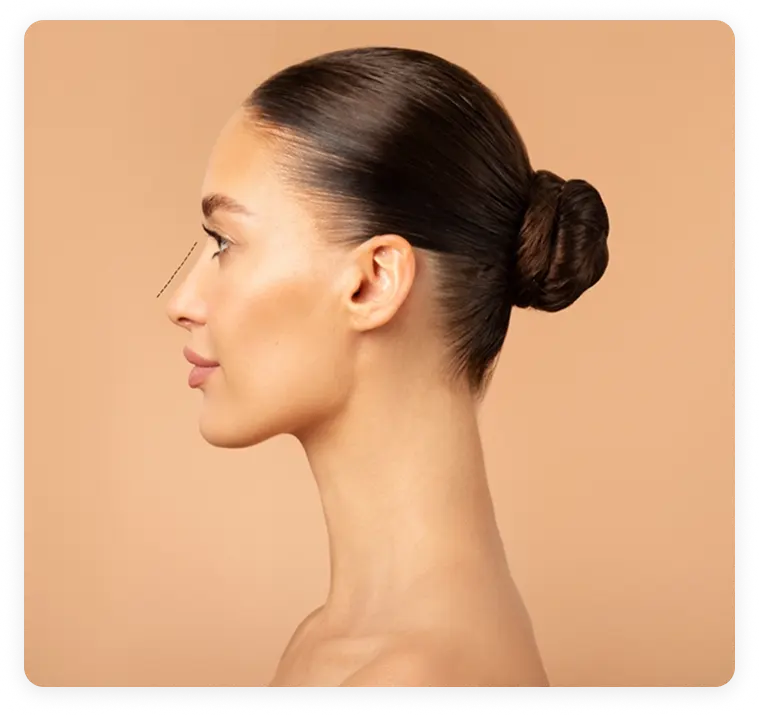
This more often addresses a subtly concave or straight bridge profile with a minimal rotated, refined tip, in line with conventional facial harmony aesthetics. Though surgeons raising focuses a natural, individualized results over a single template nose for either gender.

Male Rhinoplasty

It generally preserves a straighter, more pronounced dorsal line and a slightly larger, minimal upturned tip. Aiming for an outcome that reads as powerful and proportionate rather than softened.

The best and experienced surgeons treat these as beginning points for discussion, not fixed rules - your bone structure, skin thickness, stated objectives must always take priority over generic gender templates.

The Step-by-Step Rhinoplasty Procedure

Most Turkish clinics structure the individual journey into five clear phases:

Step 01 - Consultation & Assessment

In-person or video consultation, clinical history review, physical examination of the patient’s nose, and often a 2D or 3D digital simulation to support align expectations with naturalistic surgical results.

Choose Turkey For Rhinoplasty

Turkey’s dominance in cosmetic nasal surgery is not just a marketing invention – it is backed by measurable industrial data:

Step 02 - Pre-Operative Testing

Entire bloodwork, anesthesia clearance, and a final in-person examination with the surgeon on arrival, generally the day before surgery.

Step 04 - Splinting

An external splint (cast) is applied to protect and support the new shape, alongside internal silicone splints rather than standard gauze packing, creating a considerably more comfortable process than the older nasal surgery process.

Step 05 - Discharge and Follow-Up

Most individuals spend one night in the hospital for administration and bleeding management, then transfer to a hotel to heal, with the external splint and any internal supports removed around days 6 to 8, at which point a fit-to-fly clearance is issued.

Benefits of the Rhinoplasty Procedure

Nasal surgery offers both functional and aesthetic benefits, helping patients achieve improved breathing and a more balanced facial appearance. By fixing structural issues, it can relieve nasal blockage, enhance airflow, and target issues caused by any injuries, a deviated septum, or other nasal conditions. Cosmetic improvements can intensify the shape, size, and symmetry of the nose, creating better facial harmony and elevating self-confidence levels.
Step 01 - Consultation & Assessment

After the Surgery:

Rhinoplasty Post Operative Care

Most successful nose job results are determined not when the surgery ends, but during the weeks that follow. Leading surgeons all over the world persistently focus on nearly identical postoperative care guidelines to stimulate recovery and minimize complications:

01
Maintain your head elevated while resting and sleeping for 1 to 2 weeks.
02
Apply cold compresses to the cheeks around the eyes (not directly on the nose) for the initial 48 hours, if suggested.
03
Take the suggested medications as directed.
04
Do not blow your nose for at least 1 to 2 weeks.
05
Maintain the nasal splint and dressings dry until your surgeon removes them.
06
Prevent wearing glasses on the nose until your surgeon says it’s safe.
07
Attend all follow-up appointments.
08
Contact your surgeon instantly if you develop heavy bleeding, fever, chronic pain, or difficulty breathing.

After the Surgery:

Rhinoplasty Post Operative Care

Timeframe What's Happening?
Day 0 to 1 Surgery done; overnight hospital stay for bleeding control and monitoring.
Day 2 to 4 Discharge to hotel; visible swelling and bruising around the eyes; head kept elevated on 2 to 3 pillows; ice compresses applied to cheeks.
Day 5 to 8 External splint and internal silicone help are removed; a fit-to-fly certificate is issued; most individuals fly home around this point.
7 to 14 days Most noticeable bruising subsides; most individuals generally return to desk-based work.
2 weeks Contact lenses can generally be worn again; light walking resumes.
4 to 6 weeks Light exercises and gym activity can continue; driving and heavier activity are generally resumed when cleared by the surgeon.
3 months Most bridge and bone swelling has resolved; glasses can generally be worn again without a nasal splint workaround.
6 months to 1 year Tip swelling, which resolves most slowly, gradually fades; the nose approaches its final settled shape.

Results and Success Rates of the Surgery

Rhinoplasty has a higher patient satisfaction rate, with research reporting approximately 85 to 90% patient accomplishing satisfactory results after the surgery. When performed by a skilled professional surgeon, rhinoplasty can deliver long-lasting improvements in nasal shape, facial harmony, and breathing function. The final results generally become noticeable within 6 to 12 months as swelling slowly resolves and the nose settles into its refined shape.

Risks and Complications

No invasive procedure is risk-free, and nose reshaping is no exception. Being completely informed – rather than only noticing polished marketing images is the cornerstone of genuine patient safety. Documented risks involve:

01

Bleeding and, rarely, a septal hematoma needing drainage.

02

Inflammation, occasionally requiring antibiotics or an additional process

03

Scarring, particularly at any external cuts or donor area such as rib, ear, or hips, if cartilage grafting is used.

04

Asymmetry or an unsatisfactory aesthetic result relative to anticipations.

05

Septal perforation (a hole in the septum), which can be difficult to repair.

06

Altered or permanently reduced sense of smell.

07

Numbness of the nasal skin or upper lip, generally temporary but occasionally permanent

08

Breathing difficulty, most often temporary swelling occasionally structural and long-term.

Anesthesia Risks

Any allergic reaction, chest infection, deep vein thrombosis (DVT), and in very rare conditions, medical screening and a staffed anesthesiology team matter.

Reputable clinics reduce these risks through strict pre-operative screening (labs, ENT assessment, anesthesia clearance), experienced surgical teams, and accredited facilities — but no clinic, in Turkey or anywhere else, can reduce surgical risk to zero. Any surgeon who implies otherwise should be treated with caution.

Case Study

An Illustrative Patient Journey

Patient Condition

A 29-year-old patient experienced a dorsal hump, mild deviated septum, and severe nasal congestion influencing breathing during exercise.

Patient Condition

A 29-year-old patient experienced a dorsal hump, mild deviated septum, and severe nasal congestion influencing breathing during exercise.

Procedure & Costs

The patient underwent closed septorhinoplasty with the Piezo ultrasonic technique under general anesthesia. Approximately $4,900 were the charges, including surgery, accommodation, and aftercare; this excludes travel upgrades.

Recovery & Outcome

.  The splint was eliminated after 7 days.
.  Swelling potentially decreased within the first few        months.
.  Breathing is enhanced after septum correction.
.  Outcomes at 12 months noticed a straighter nose profile, refined silhouette, and natural-looking appearance.

Procedures Commonly Combined with Rhinoplasty

Many Turkish surgeons routinely combine rhinoplasty with complementary procedures during the same operation or the same tip:

.  Chin augmentation: Boosts facial balance when a weak chin makes the nose look larger.
.  Endoscopic sinus surgery (ESS): Treats severe sinusitis, nasal polyps, or breathing concerns alongside rhinoplasty.
.  Turbinate Reduction: Beneficial to enhance airflow when enlarged turbinates contribute to nasal blockage.
.  Eye surgery (blepharoplasty): Elevates overall facial rejuvenation when combined with rhinoplasty.

What are the Factors

Affects the Pricing

Cost is based on technique severity, whether it is a primary or revision procedure, the surgeon’s seniority, and many other factors. Industrial-wide figures for 2026 persistently cluster in similar fluctuations:

Multiple factors can affect the final price of nasal surgery. Revision or secondary rhinoplasty cases are generally more expensive because they often need complicated techniques, cartilage grafting, such as rib cartilage process, and rhinoplasty with chin augmentation, which may also incur higher costs. In addition, the surgeon’s experience, qualifications, and reputation can influence the price, with highly experienced specialists and internationally skilled surgeons typically charging higher costs.

Important Note:

Travel expenditures, involving flights and personal accommodation, are generally not covered in surgical deals and must be planned separately.